
Perfect Hotel in Chefchaouen
Traditional Moroccan cuisine is one of the most vibrant, diverse, and flavorful food cultures in the world. Influenced by Berber, Arab, Andalusian, and Mediterranean traditions, Moroccan dishes offer a unique blend of spices, fresh ingredients, and slow-cooking methods that create unforgettable meals. Whether you're exploring Morocco or simply passionate about world cuisine, this journey through Moroccan food will guide you through the dishes you must taste, the traditions behind them, and why this cuisine is loved across the globe.

- The Magic of Moroccan Spices
Moroccan food is famous for its rich aromas and bold flavors. The secret lies in its spices—carefully blended to create harmony rather than heat. Some of the most essential spices include:
Ras El Hanout (a mix of up to 30 spices)
Cumin
Turmeric
Safran (Saffron)
Paprika
Ginger
Cinnamon
These spices are not only about flavor—they reflect centuries of trade, history, and cultural exchange.
- The Moroccan Tagine: Slow-Cooked Perfection
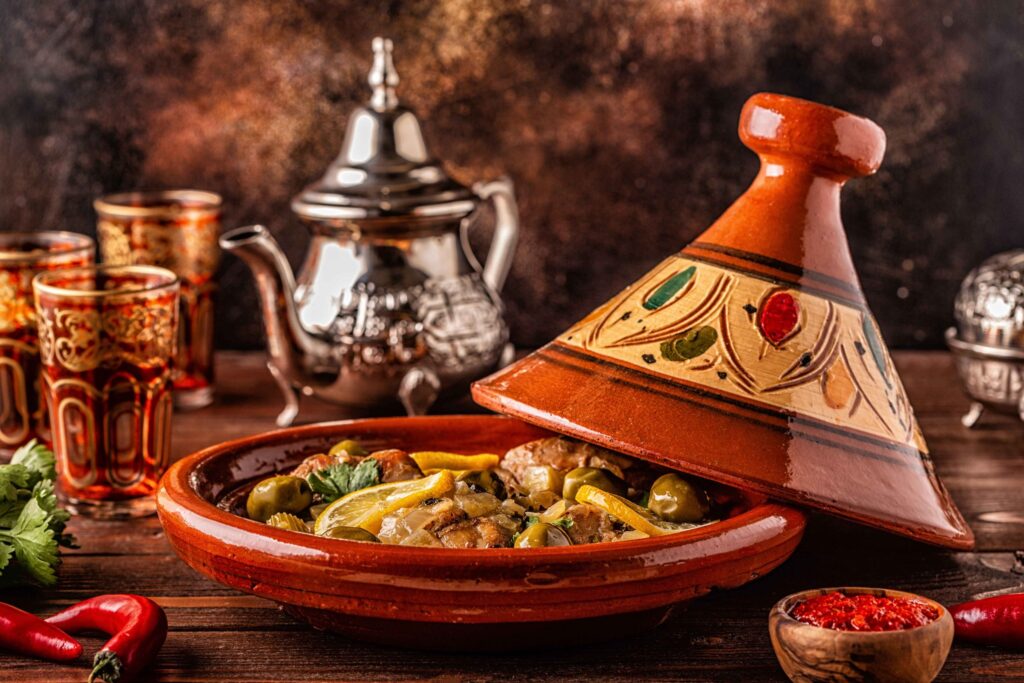
No journey through Moroccan cuisine is complete without tasting a traditional tagine. Named after the clay pot it's cooked in, a tagine is a slow-cooked dish that blends meat, vegetables, fruits, and spices into a rich and comforting stew.
Popular varieties include:
Chicken with preserved lemons and olives
Beef with prunes and almonds
Lamb with figs
Vegetable tagine with aromatic spices
The slow cooking allows the flavors to blend perfectly, creating the signature taste Morocco is known for.
- Couscous: The Heart of Moroccan Hospitality
Served traditionally every Friday, couscous is Morocco’s national pride. The tiny grains of semolina are steamed multiple times for a light, fluffy texture. It is commonly served with:
Vegetables
Chickpeas
Lamb, beef, or chicken
Caramelized onions and raisins (tfaya)
Couscous is more than a dish—it represents gathering, family, and celebration.
- Moroccan Street Food You Must Try
Street food is a delicious part of Moroccan culture. Some unmissable options include:
Bissara – a creamy fava bean soup
Msemmen – flaky Moroccan pancakes
Harira – a hearty soup of tomatoes, lentils, and spices
Brochettes – grilled meat skewers
Sfenj – Moroccan doughnuts
These quick bites reflect the everyday flavors locals enjoy.
- Sweet Treats: Moroccan Desserts & Pastries
Moroccan sweets are delicate, nutty, and perfectly balanced. The most famous are:
Chebakia – sesame honey cookies
Baghrir – “thousand-hole” pancakes
Ghriba – almond or coconut cookies
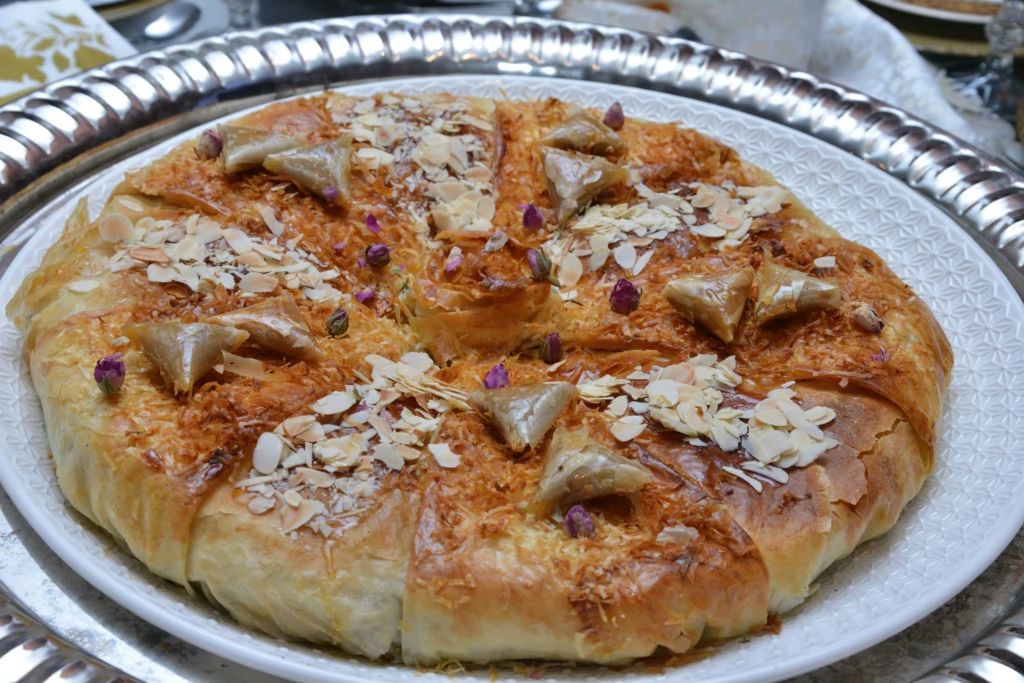
Briouat – filo pastries filled with almonds and honey
Often served with Moroccan mint tea, these desserts symbolize warmth and hospitality.
- Moroccan Mint Tea: The Drink of Welcome
Known as Atay, Moroccan mint tea is more than a drink—it's a tradition. Made with green tea, fresh mint, and sugar, it is poured from high above the glass to create a light foam. Tea plays an essential role in social life and is always served to guests as a sign of respect.
- Fresh Ingredients From Land & Sea
Morocco’s geographical diversity—mountains, desert, coastline—means fresh ingredients are at the heart of its cuisine:
Mediterranean fish
Mountain herbs
Farm vegetables
Dates, figs, and olives
Local honey
High-quality olive oil
This blend of natural produce creates a diet that is not only delicious but also balanced and wholesome.
- Why Moroccan Cuisine Is Loved Worldwide
Moroccan food continues to captivate travelers and chefs for many reasons:
Rich cultural history
Deep flavors from natural spices
Artful balance of sweet and savory
Traditional cooking methods
Warm hospitality tied to meals
Diverse dishes for every taste
From slow-cooked tagines to fresh breads and fragrant teas, Moroccan cuisine is a complete sensory experience.
Final Thoughts: A Flavorful Adventure Awaits
Exploring traditional Moroccan cuisine is like walking through a living museum of flavors, traditions, and stories passed down through generations. Whether you're tasting couscous in a family home, sipping mint tea in a bustling souk, or enjoying fresh pastries in a café, Moroccan food invites you to slow down, savor, and connect.
If you’re passionate about culture, food, and travel, Moroccan cuisine offers one of the richest culinary journeys you will ever experience.